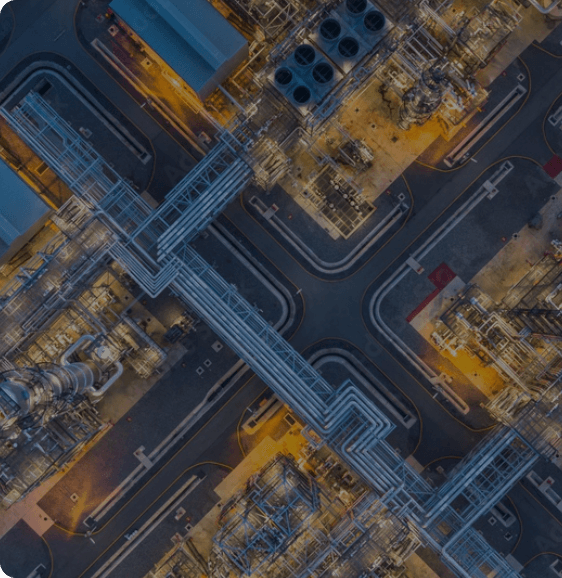
A gas compressor station operating in a remote section of a 160 mile pipeline generates thousands of data points every second. In a traditional setup, if that compressor begins to vibrate at a frequency suggesting an imminent mechanical setback, the data must travel to a central server for analysis. If the connection is slow, the alert arrives after the machine has already seized. Edge AI prevents this by allowing the compressor to analyze its own vibration patterns and shut itself down in milliseconds.
This localized decision making defines the current state of edge intelligence. It is the technology that allows a drone to avoid a power line or a smart camera to identify a security threat without waiting for a signal from a distant data center. By moving the analytical brain to the hardware itself, organizations eliminate the lag that makes cloud dependent systems unreliable for real time action.
How Edge AI Functions
Deploying intelligence at the periphery requires a departure from standard cloud computing. While the cloud is used to train massive models, edge AI solutions focus on the execution of those models on low power hardware.
Through techniques like quantization, complex neural networks are streamlined so they can run on small chips without exhausting the battery or requiring a massive cooling system. The device then performs inference locally. Instead of acting as a passive sensor that uploads every byte of raw data, the device becomes a filter. It processes the information on site and only communicates with the central network when it identifies a specific event or a need for a high level update.
Positioning Edge AI in the Technology Stack
The choice of where to process data is dictated by the need for speed, the available bandwidth, and the requirement for offline functionality.
| Type | Location | Best Use Case |
| Cloud AI | Centralized Data Centers | Training models and long term trend analysis |
| On-Premise AI | Local Facility Servers | High security data storage for a single site |
| Edge AI | On the Device | Instant reactions and operation in remote areas |
By using these three layers together, a business can create a distributed intelligence network where each component handles the task it is best suited for.
Tangible Benefits for the User
Bringing intelligence closer to the source results in systems that are faster and more respectful of data boundaries.
- Privacy at the Source: Because sensitive data like voice commands or facial patterns are processed on the device, the information is never exposed during transit to a cloud server.
- Reliability in Remote Areas: Edge enabled hardware continues to function in environments with no connectivity, such as underground mines or offshore platforms. The intelligence is a built in feature of the machine, not a service delivered over the web.
- Immediate Safety Response: In the automotive or industrial sectors, a millisecond of latency can lead to a catastrophe. The edge provides the near instant response time required for collision avoidance and emergency shutdowns.
The Trace Midstream Case Study
The energy sector offers a clear example of how moving away from legacy hardware improves operational outcomes. Trace Midstream, an operator of extensive natural gas gathering infrastructure, sought to modernize its systems to support a growing network of pipelines and compressor stations. The company wanted to move beyond the physical risks and scalability limits of on-premises SCADA servers.
In collaboration with us, the company transitioned its operations to a cloud native environment on Microsoft Azure, creating a foundation for distributed intelligence across its 160 mile network.
Operational Refinement through Data Contextualization
The project focused on turning raw telemetry into high fidelity information that could be used for real time oversight.
- System Integration: The team consolidated ten separate data systems into seven integrated platforms. This removed the silos that previously prevented the company from seeing a unified view of their asset health.
- Provider Transparency: By using Power BI dashboards, the company gained the ability to monitor the performance of third party service providers in real time. This led to a significant reduction in the time spent resolving disputes over Service Level Agreements.
- Cost Management: Analyzing historical patterns allowed the company to optimize the runtimes of their gas compressors. By identifying and fixing inefficiencies in the field, they achieved a measurable reduction in per-unit operating expenses.
The modernization ensured that Trace Midstream had a secure, high performance infrastructure capable of supporting autonomous tasks without the administrative burden of old hardware.
Current Trends in Edge Intelligence
As we move through 2026, the edge is becoming more capable through several key developments:
- AI Optimized Silicon: A new generation of chips is being built specifically for low power AI math, allowing small sensors to perform computer vision tasks that used to require a server.
- Federated Learning: This allows a fleet of devices to learn from their specific environments and share those lessons with a central model without ever uploading the raw, private data.
- The Connected Edge: High speed connectivity allows edge devices to coordinate with each other directly, enabling warehouse robots or drones to work as a team without a central controller.
Advancing Your Edge
Edge AI is about building systems that are as responsive as the physical world they monitor. By moving the decision making to the edge, businesses can protect their data, reduce their costs, and act with a level of precision that was previously impossible.
Tiger Analytics specializes in the engineering required to bring complex models to the rugged reality of the edge. We help organizations identify their most critical points of action and deploy the intelligence needed to optimize them. Contact with out team of experts today!